 How-to
How to Prevent Window Condensation in Mountain Homes
Quick Summary
Window condensation in mountain homes is mainly a moisture problem, not a window defect. To prevent it, lower indoor humidity by running exhaust fans during cooking and showers, wiping glass daily, and using a dehumidifier in cold rooms when humidity stays high.
- Run bathroom and kitchen exhaust fans during and after use.
- Wipe condensation off glass each morning so moisture does not soak into sills.
- Keep furniture a few inches from exterior walls for air circulation.
- Use a hygrometer to check your current indoor humidity level.
- Have a window professional check seals and frames if condensation keeps returning.
Table of Contents
- Why Mountain Homes Get Window Condensation
- Signs of Too Much Moisture in Your House
- Steps to Cut Indoor Humidity and Keep Glass Dry
- Frequently Asked Questions
Why Mountain Homes Get Window Condensation
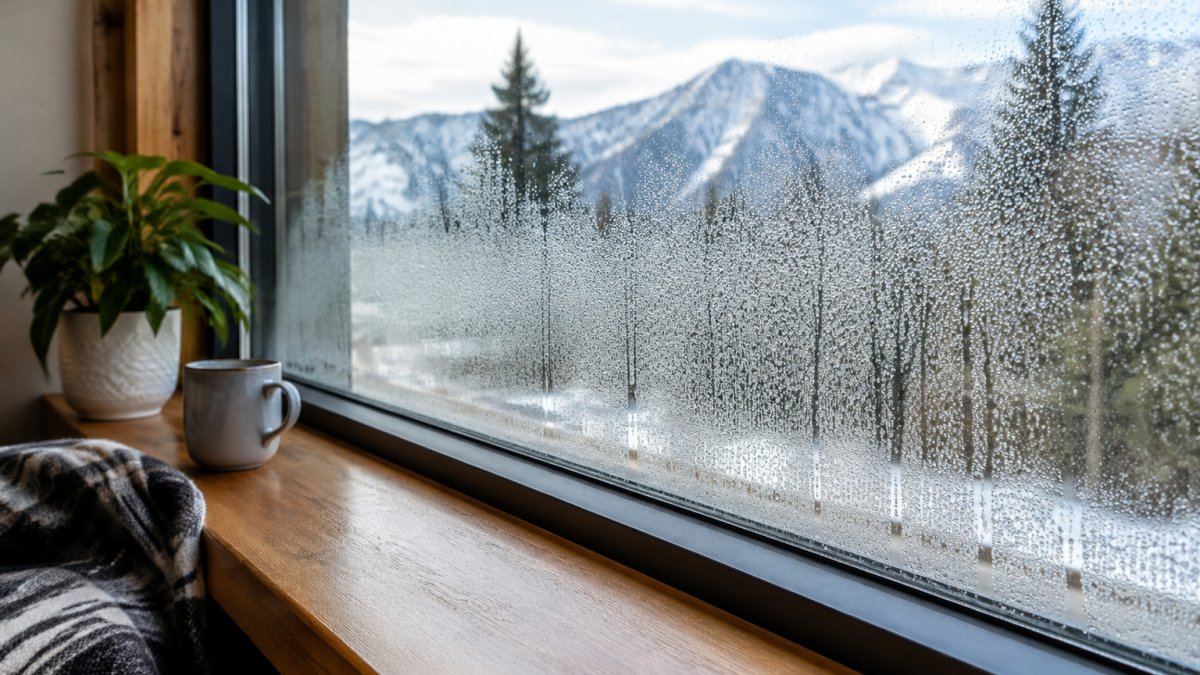
Window condensation in mountain homes is usually a moisture problem, not a window defect. It shows up most in winter, when cold glass meets warm, humid indoor air.
Mountain homes face this more often because outdoor temperatures stay cold, keeping interior glass cold while daily activities add water vapor.
- Cooking, showers and drying laundry indoors
- Occupants breathing and sweating in closed rooms
- Cold exterior glass, especially in older single-pane windows
Signs of Too Much Moisture in Your House
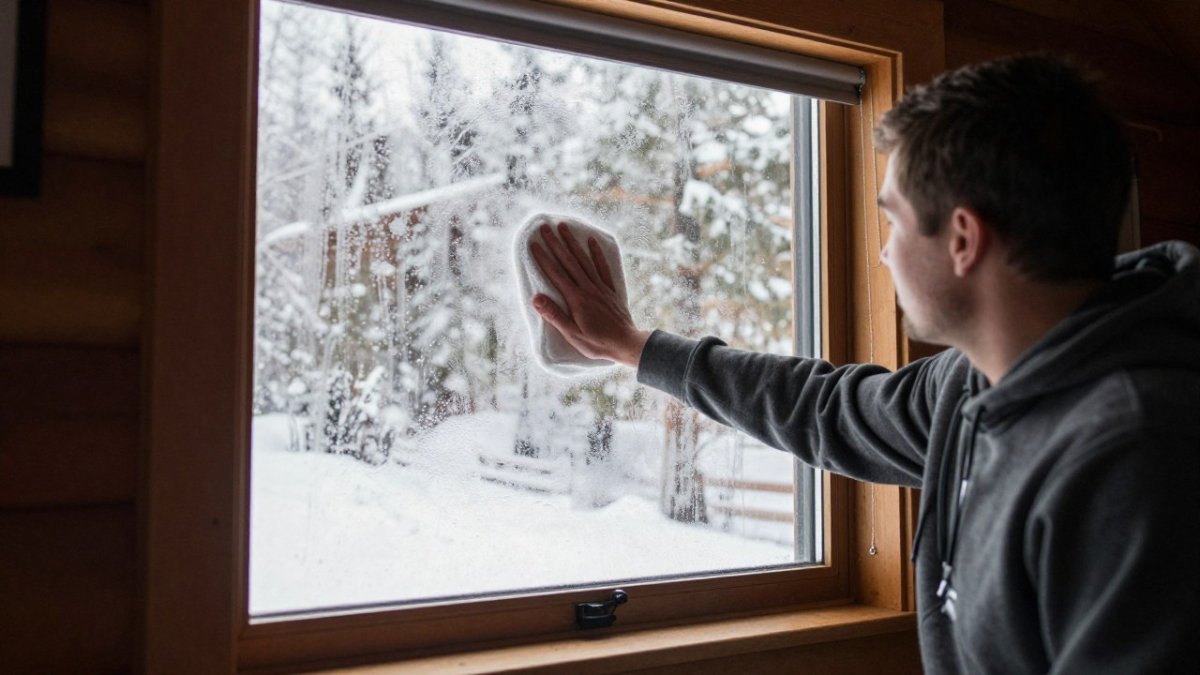
Watch for water beads or fogging on the inside of windows, especially lower panes. Damp sills and a musty smell are also common signs.
Check these areas weekly during cold months:
- Window frames and sills for wet spots
- Room corners for dark, fuzzy patches
- Bathroom walls and ceilings after showers
Steps to Cut Indoor Humidity and Keep Glass Dry
Start by lowering indoor humidity, since that removes the moisture that condenses on glass (the EPA). A hygrometer shows your current level.
Try these steps:
- Run bathroom and kitchen exhaust fans during and after use (the EPA).
- Wipe condensation off glass each morning so moisture does not soak into sills.
- Keep furniture a few inches from exterior walls for air circulation.
- Use a dehumidifier in the coldest rooms if humidity stays high.
Sealing a home too tightly can trap moisture, so balance airtightness with ventilation.
| Problem | Fix | Impact |
|---|---|---|
| Fogging on glass | Run exhaust fans | Less indoor moisture |
| Wet sills | Wipe glass daily | Prevents damage |
| Persistent humidity | Use a dehumidifier | Keeps glass drier |
If condensation keeps returning, have a qualified window professional check the seals and frames, since they may need attention.
Get a Quote from J&A Innovations LLC if condensation persists after you cut indoor humidity. Our team checks seals, frames and glass so you know whether the fix is adjustment or replacement.
Frequently Asked Questions
Is there something I can put on my windows to stop condensation?
Plastic window film and interior storm panels add an insulating layer that keeps the glass surface warmer, which slows condensation. They help most when indoor humidity is already under control. Lowering moisture in the air is the more effective fix, because film only treats the glass while humid air keeps reaching it. Check seals and weatherstripping too, since drafts around the frame can make one spot fog repeatedly.
What indoor humidity level helps prevent window condensation in winter?
Keeping indoor relative humidity at or below about 40 percent in winter usually prevents most window condensation in mountain homes. Measure it with an inexpensive hygrometer in each main room, since humidity often runs higher in kitchens, bathrooms and bedrooms. If readings climb above 40 percent on cold mornings, run exhaust fans longer and reduce moisture sources such as drying laundry indoors.