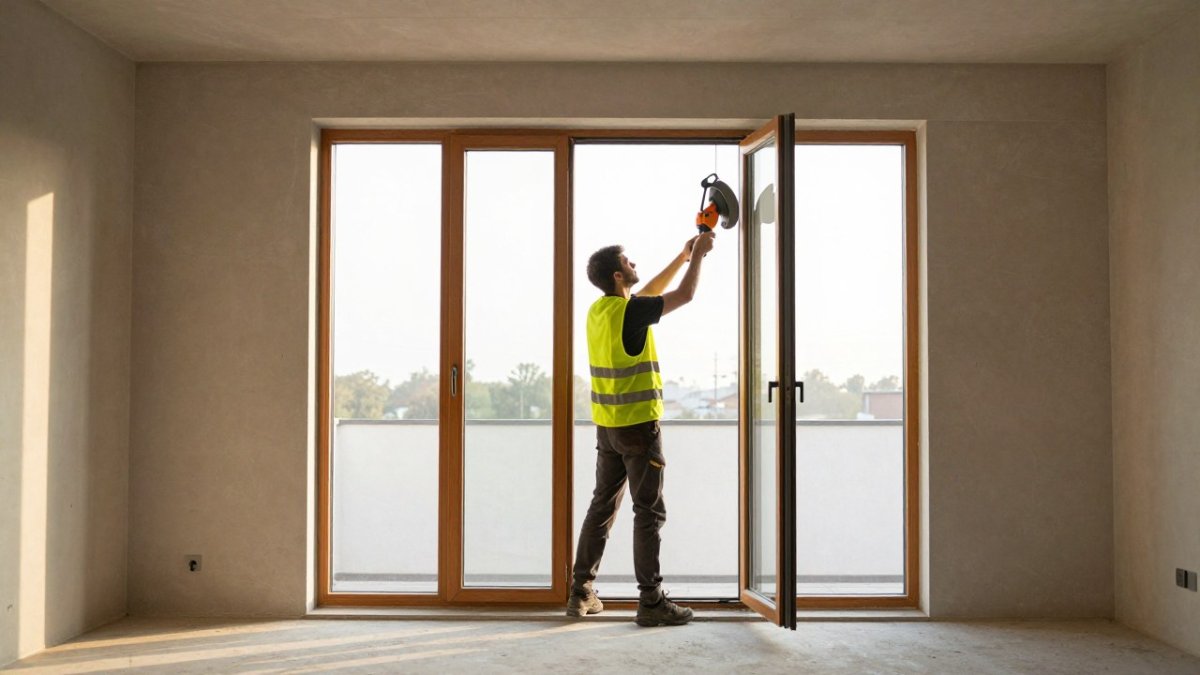
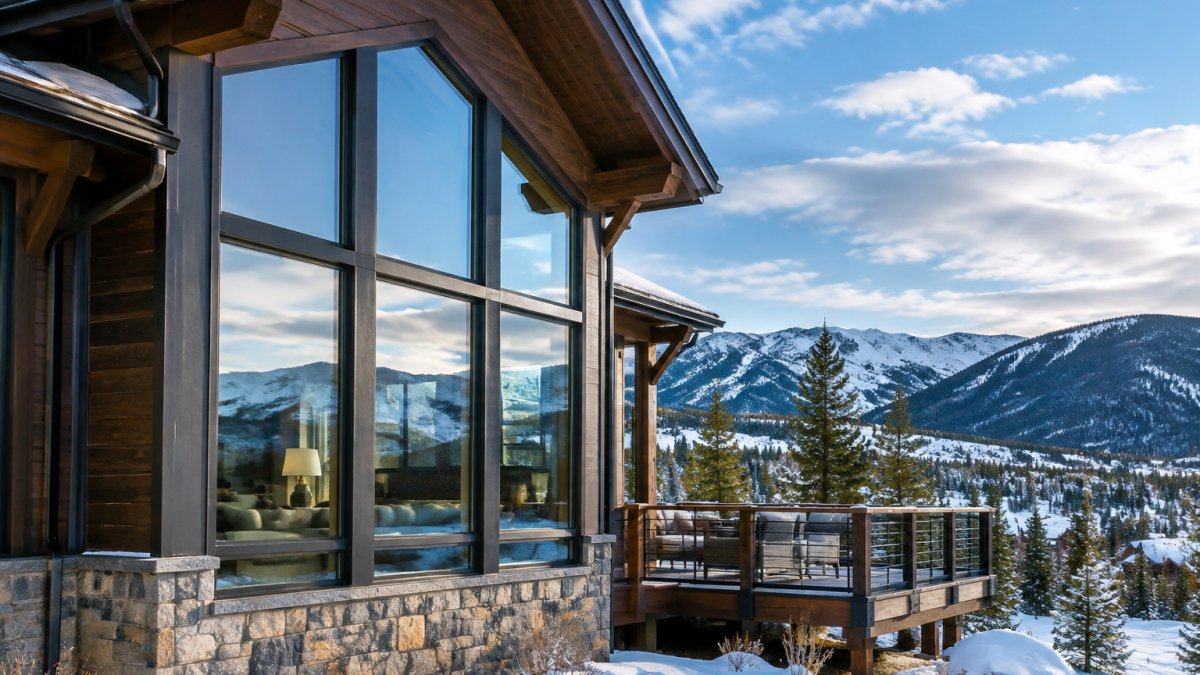
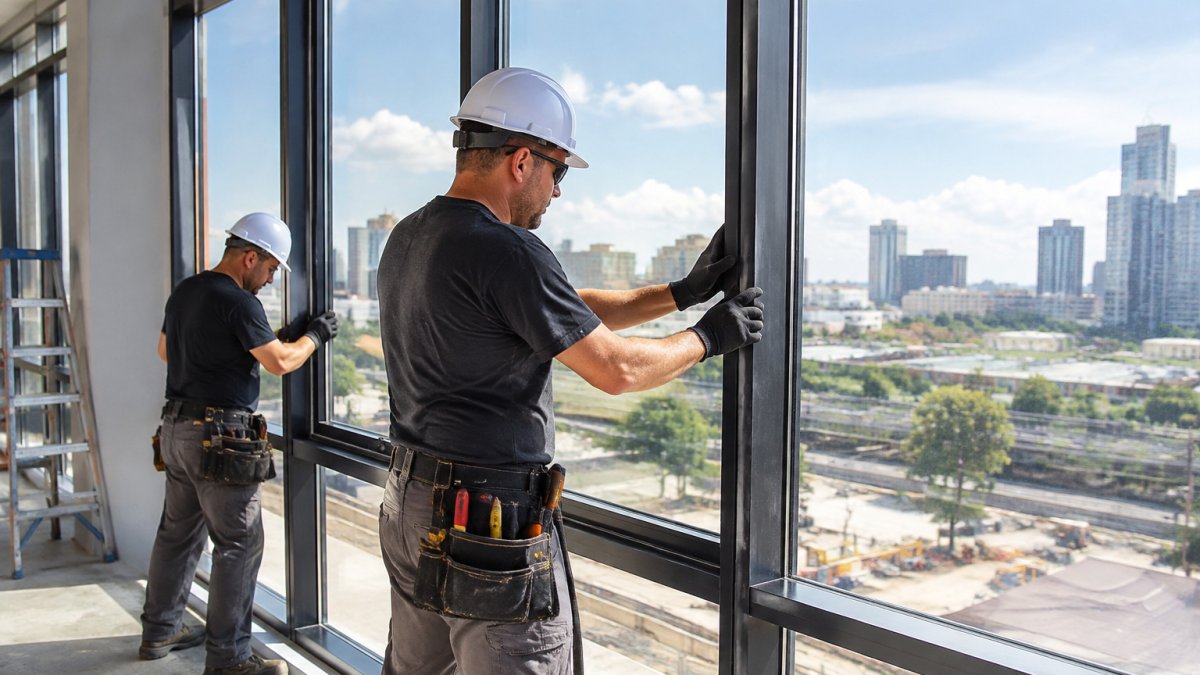
 How-to
Commercial Window Installation: What to Expect and How to Choose
Quick Summary
Commercial window installation starts with choosing the right system, such as aluminum storefront framing, curtain wall, or fixed and operable units, based on building type and performance needs. Storefront systems suit retail and ground-floor spaces, while curtain wall suits larger buildings where weather resistance and structural performance matter most.
- Storefront systems are the most common choice for retail and ground-floor spaces.
- Curtain wall systems cover full building facades and need more engineering and coordination.
- Confirm the system with your architect and a licensed installer early, since changing it after framing can be expensive.
- Plan the job and check permits before work starts.
- Take extra care with flashing and sealant, since water intrusion usually comes from these mistakes.
Table of Contents
- Choosing the Right Commercial Window System for Your Building
- Commercial Window Installation Instructions, Step by Step
- Commercial Window Installation Cost and When to Hire a Professional
- Frequently Asked Questions
Choosing the Right Commercial Window System for Your Building
Commercial window installation starts with picking the right system, and that choice drives cost, performance, and how long the job takes. Commercial projects commonly use aluminum storefront framing, curtain wall, or fixed and operable window units. Each one suits a different building type and performance need.
Storefront systems are the most common choice for retail and ground-floor spaces. They use large glass panels set in aluminum frames, which give plenty of visibility and natural light. Storefront glazing is usually simpler to install than curtain wall, so it often fits tighter schedules.
Curtain wall systems cover full building facades with a grid of glass and framing. They suit office towers and larger buildings where weather resistance and structural performance matter most. These systems take more engineering and coordination.
Ask these questions before you choose:
- What is the building type (retail, office, medical, or multifamily)?
- How much glass does the design call for, and how big are the openings?
- What energy performance does local code require?
- Does the building need accessibility features or operable units for ventilation?
Confirming the choice with your architect and a licensed installer early is a sound practice, since changing the system after framing starts can be expensive.
Commercial Window Installation Instructions, Step by Step
A typical commercial window installation follows a clear sequence. Skipping a step can lead to water intrusion or air leaks later, so follow each one in order.
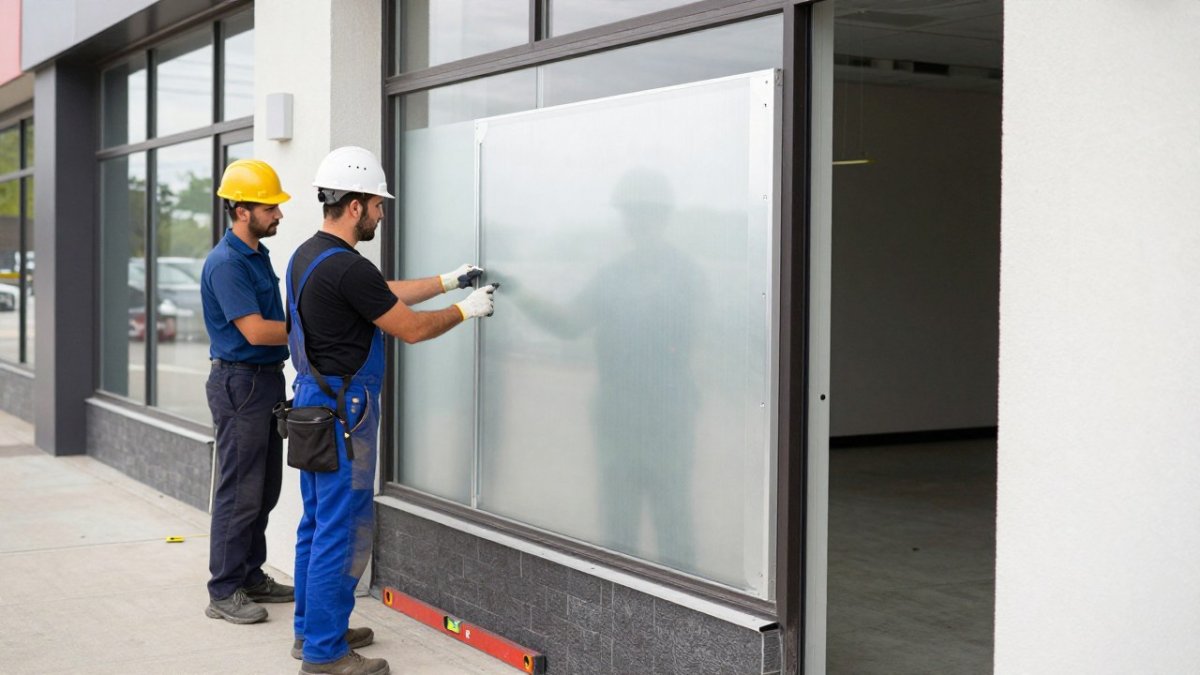
- Plan the job and check permits. Confirm the window specs, shop drawings, and any required building permits before work starts.
- Protect the occupied space. Schedule work around business hours and set up barriers, dust control, and safety zones.
- Remove the existing window. Take out the old unit carefully and save any framing that will be reused.
- Inspect the rough opening. Check for level, plumb, square, and any rot or damage. Fix problems before setting anything new.
- Clean and prepare the opening. Remove debris and make sure the surface is dry and dust-free so sealant will bond.
- Install the weather-resistant barrier and flashing. Layer these correctly so water drains outward, away from the building.
- Set and shim the window or storefront panel. Use shims to get the frame level and aligned, then anchor it with the approved fasteners.
- Seal the perimeter. Apply sealant to all joints to block water and air infiltration.
- Test and inspect. Check operation, look for leaks, and confirm the installation matches the manufacturer's instructions.
Watch out: Water intrusion usually comes from flashing and sealant mistakes, not the glass itself. Take extra time on steps 6 and 8.
Commercial Window Installation Cost and When to Hire a Professional
Commercial window installation cost depends on the system type, the number of openings, the building's size and height, and whether the job involves new construction or a replacement. Pricing depends on quantity, dates, and delivery, so request a quote from J&A Innovations LLC for current pricing.
Many property owners decide to hire a professional for commercial work. Here is how to tell which path fits:
- Hire a professional for storefront or curtain wall systems, large openings, multi-story buildings, or any job that needs permits and engineering.
- Consider DIY only for small, simple residential repairs such as replacing a sealant or a single operable unit in a low-risk location.
Commercial projects carry code, safety, and warranty requirements that a licensed contractor can manage. J&A Innovations LLC has served the Colorado Rockies and beyond since 2008, handling both residential and commercial installs, including extra-large openings and complete engineering framing. Contact J&A Innovations LLC to discuss your project and get a quote.
BUTTON: Get a Quote CARD_TITLE: Ready to plan your commercial window project? CARD_TEXT: J&A Innovations LLC handles commercial window installs, from framing to finished seal.
Frequently Asked Questions
How much does it cost to install commercial windows?
Commercial window installation cost depends on the number of openings, the size of the glass, the frame material, the complexity of the opening, and whether the work happens during business hours. Pricing depends on quantity, dates, and delivery. Request a quote through the J&A Innovations LLC website for current pricing.
Are commercial windows different from residential windows?
Yes. Commercial windows are typically built with heavier aluminum framing, larger glass panels, and storefront or curtain-wall systems designed for high foot traffic and wind loads. Residential windows are usually smaller and lighter. Commercial projects also need more coordination with building owners, tenants, and general contractors, and they often involve extra-large openings that require engineered framing.
Can commercial storefront windows be replaced without closing a business?
In many cases, yes. The right approach depends on the building layout and the business's hours. Discuss occupied-building logistics during the planning stage so the work can be scheduled around customers and staff.